

Is a Dual Boiler Worth the Extra Cost? UK Guide
Table of Contents
- Is a Dual Boiler Worth the Extra Cost? A Direct Comparison
- Single Boiler vs Dual Boiler Espresso Machine: The Core Difference
- Dual Boiler vs Heat Exchanger Espresso Machine: Which Technology Wins?
- Dual Boiler Espresso Machine Pros and Cons: An Honest Assessment
- Dual Boiler Espresso Machine Heat-Up Time: What to Expect
- The Cost Factor: Breaking Down the Investment
- Conclusion: Making the Right Choice for Your Kitchen
- Frequently Asked Questions
Last Updated: October 8, 2026
Is a Dual Boiler Worth the Extra Cost? A Direct Comparison
If you make milk drinks back to back, a dual boiler is worth the extra cost. If you drink espresso black, it usually is not. That is the honest answer, and it is the one most buying guides avoid because it does not sell machines.

This guide from Coffee Craft Studio breaks down where the money actually goes.
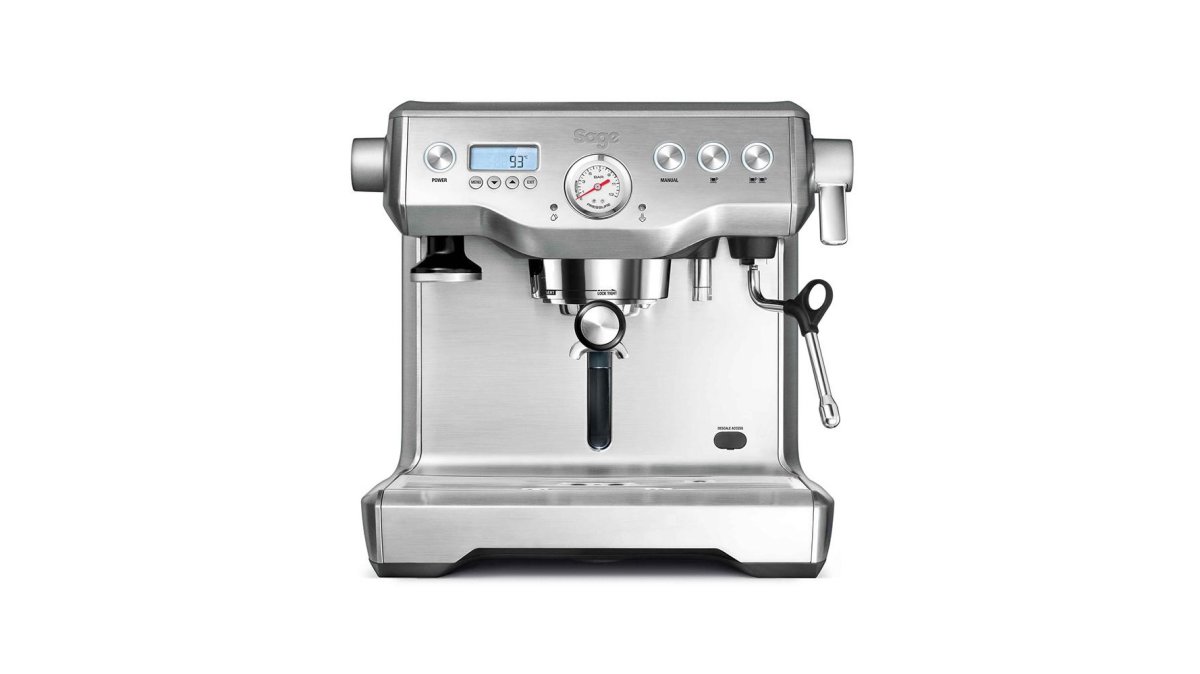
A dual boiler espresso machine uses two separate boilers: one holds brewing water at a stable temperature, the other generates steam pressure. Because the two jobs never share a heating element, you can pull a shot and steam milk at the same time without the temperature drifting.
Here is the short version before we go deeper:
| Your Situation | Verdict |
|---|---|
| You make flat whites or lattes daily | Worth it |
| You brew and steam back to back | Worth it |
| You drink espresso only | Rarely worth it |
| You entertain regularly | Usually worth it |
| You want the cheapest good shot | Not worth it |
Below, we will show you exactly how the three main designs differ, what the pros and cons really are, and how to work out whether the maths works for your kitchen.
Single Boiler vs Dual Boiler Espresso Machine: The Core Difference
A single boiler machine heats one body of water and switches between brewing and steaming. A dual boiler machine keeps two separate boilers at their own temperatures, so neither job disturbs the other.
That single design choice changes your entire workflow. On a single boiler, you pull your shot, then wait while the boiler climbs to steam temperature, then steam your milk. The wait is not a minor annoyance. It is a minute or two of standing around while your espresso sits cooling in the cup.
On a dual boiler, you steam while the shot finishes. The espresso boiler holds its temperature because nothing else is drawing on it.
The trade-off is cost, size, and heat-up time. A single boiler is cheaper, smaller, and quicker to reach temperature. A dual boiler costs more and takes longer to stabilise, but it removes the pause from your routine entirely.
If you drink espresso without milk, that pause never happens. That is why we tell black-coffee drinkers to save their money.
Dual Boiler vs Heat Exchanger Espresso Machine: Which Technology Wins?
A heat exchanger machine wins on price and heat-up speed. A dual boiler wins on temperature control. Which matters more depends on how precise you want to be.
A heat exchanger, often shortened to HX, uses one steam boiler with a tube running through it. Fresh water passes through that tube and picks up heat on its way to the group head. It is a clever design and it costs less than a true dual boiler.
The catch is temperature control. Because the brew water is heated by the steam boiler, the two are linked. You manage brew temperature by flushing water through the group before a shot, which is a skill you have to learn and repeat consistently.
A dual boiler separates the two systems completely. The espresso boiler runs on its own thermostat, so the temperature you set is the temperature you get, shot after shot. No flushing ritual, no guesswork.
Here is how the two compare in practice:
| Factor | Heat Exchanger | Dual Boiler |
|---|---|---|
| Brew temperature control | Requires flushing | Set and stable |
| Simultaneous brew and steam | Yes | Yes |
| Heat-up time | Faster | Slower |
| Cost | Lower | Higher |
| Best for | Milk drinks on a budget | Precision and repeatability |
If you want consistency without developing a flushing routine, the dual boiler is the better tool. If budget is tight and you mostly make milk drinks, an HX machine can serve you well.
Dual Boiler Espresso Machine Pros and Cons: An Honest Assessment
The pros of a dual boiler come down to workflow and repeatability. The cons come down to money, space, and heat-up time. Neither list is short, which is why the decision deserves more than a glance at the price tag.
The advantages:
- Brew and steam simultaneously, with no waiting between steps
- Stable brew temperature shot after shot, thanks to independent PID control
- No flushing routine to learn or maintain
- Better results with milk-based drinks, where timing matters most
- A heated group head keeps extraction temperature consistent through the shot
The drawbacks:
Sage The Dual Boiler Black Truffle Espresso Machine →
- Higher purchase price than single boiler or heat exchanger machines
- Longer heat-up time, because two boilers need to reach temperature
- Larger footprint on the counter
- More to maintain, since there are two boilers to descale and look after
- Overkill if you never steam milk
A common mistake is assuming a dual boiler automatically makes better coffee. It does not. It makes consistent coffee easier to repeat. If your grinder is inconsistent, no boiler design will rescue the shot.
Dual Boiler Espresso Machine Heat-Up Time: What to Expect
Expect a dual boiler machine to need longer to reach full temperature than a single boiler, because two separate boilers must heat and stabilise. This is the trade-off nobody mentions in the showroom.
A single boiler with a fast heating system can be ready in seconds. A dual boiler has more thermal mass to bring up to temperature, and the group head needs to warm through as well. Rushing this step is why so many first shots taste sour.
Our advice is simple: switch the machine on before you start preparing anything else. Grind your beans, warm your cup, fill the water tank. By the time you are ready to pull a shot, the machine has had time to settle.
If you want speed above all else, a machine with a fast heating system will beat a dual boiler on time to first shot. If you want stability, the dual boiler repays the wait.
The Cost Factor: Breaking Down the Investment
The extra cost of a dual boiler is real, and it buys you a specific set of capabilities: simultaneous brewing and steaming, independent temperature control, and a workflow that does not make you wait.
Whether that is worth it depends on what you are comparing against. A capable single boiler machine costs a fraction of a dual boiler, and for some drinkers it produces coffee that is just as good in the cup.
What you cannot buy at the lower price is the workflow. If you make milk drinks every morning, the time you save and the consistency you gain are the things you are actually paying for. If you do not, you are paying for a feature you will never use.
We keep the maths simple: count how many milk drinks you make in a week. If it is more than a handful, the dual boiler earns its place. If it is one or two, put the difference towards a better grinder instead. That single change will improve your coffee more than any boiler design.
Conclusion: Making the Right Choice for Your Kitchen
The decision comes down to your routine, not the spec sheet. If you steam milk most days, a dual boiler removes the one step that makes home espresso feel like a chore. If you drink it black, the money is better spent elsewhere.
At Coffee Craft Studio, we stock dual boiler machines for exactly this reason: they suit a specific drinker, and we would rather you buy the right one than the most expensive one. Our range covers the full span, from the Sage The Dual Boiler Espresso Machine at £1,249.95, with its independent PID-controlled espresso boiler and simultaneous brewing and steaming, through to the Sage the Dynamic Duo Espresso Machine and Coffee Grinder at £1,299.95, which pairs the same dual boiler performance with a Smart Grinder Pro and its 60 grind settings.

If you want the workflow fully automated, the Sage Oracle Touch Black Truffle Espresso Machine at £2,099.95 adds an integrated conical burr grinder, automatic tamping, and a touchscreen that stores up to eight personalised drinks. And if you simply want a fast, compact machine without the dual boiler premium, the Sage The Bambino Espresso Machine (Black Truffle) at £329.95 reaches brewing temperature in as little as three seconds.
Choose the machine that matches how you actually drink coffee. Get started with Coffee Craft Studio and build a setup that delivers café-quality results every morning.
Frequently Asked Questions
What is the difference between a single boiler and a dual boiler espresso machine?
A single boiler machine uses one boiler for both brewing and steaming, so you must wait for the temperature to change between tasks. A dual boiler has two separate boilers, allowing you to brew espresso and steam milk simultaneously. This makes a dual boiler much faster for making multiple milk-based drinks, as you avoid the temperature recovery wait entirely.
Can you brew espresso and steam milk at the same time with a dual boiler?
Yes, that is the primary advantage. Because the espresso and steam boilers are independent, you can pull a shot and texture milk at the same time without any drop in pressure or temperature. This simultaneous workflow is why dual boiler machines are popular for making flat whites, cappuccinos, and lattes back-to-back without delays.
Is a dual boiler better than a heat exchanger espresso machine?
They suit different priorities. A heat exchanger lets you brew and steam at once but requires cooling flushes to manage brew temperature. A dual boiler gives you precise, independent temperature control for both tasks. If you value consistency and repeatability, a dual boiler is generally the better choice. If you want a simpler, often more affordable machine, a heat exchanger can work well.
Who should buy a dual boiler espresso machine?
A dual boiler makes sense if you regularly make milk-based drinks, entertain guests, or want precise temperature control for light roasts. If you mostly drink straight espresso or make one drink at a time, a single boiler or heat exchanger may be sufficient. Home baristas who view brewing as a technical craft often find the investment worthwhile for the workflow and consistency.
How long does a dual boiler take to heat up?
Most dual boiler machines take between 10 and 20 minutes to reach full thermal stability. The boilers need time to heat the water and stabilise the group head. While some machines have faster heat-up cycles, allowing a full warm-up ensures the best extraction. Using a timer plug can have the machine ready when you are.