

How to Improve Espresso Crema Consistency
Table of Contents
- Understanding Espresso Crema and Why Consistency Matters
- Why Is My Espresso Crema Inconsistent: Common Causes
- Best Coffee Beans for Espresso Crema
- Espresso Grind Size for Crema: Getting It Right
- How to Dial In Espresso at Home for Consistent Results
- Equipment and Machine Variables That Affect Crema Consistency
- Troubleshooting Crema Problems Shot to Shot
- Frequently Asked Questions
Last Updated: October 10, 2026
Understanding Espresso Crema and Why Consistency Matters
Espresso crema is the golden-brown layer of foam that sits atop a freshly pulled shot. It forms when hot water forces pressurised carbon dioxide out of the coffee grounds, creating tiny bubbles that trap coffee oils and flavour compounds. Getting consistent crema shot after shot is what separates casual home brewing from proper technique.
Consistency matters because crema signals extraction quality. When your crema looks the same every time, thick, stable, and caramel-coloured, you know your grind, dose, and tamp are working together. When crema varies wildly, something in your workflow is drifting. Crema consistency isn't luck. It's the result of controlling five specific variables.
The challenge most home brewers face is that espresso crema consistency requires attention to detail across your entire setup. One weak link breaks the chain. This guide walks you through exactly what causes inconsistency and how to fix it.
Why Is My Espresso Crema Inconsistent: Common Causes
Inconsistent espresso crema usually traces back to one of six specific failure modes, each producing a distinct visual and tactile signature. Identifying which one is affecting your shots is the first step to fixing it.
Grinder Retention and Particle Variation
Grinders retain old coffee between shots, typically 0.5 to 2 grams depending on the burr design and grind setting. When you change grind size or switch beans, old grounds mix with new ones, creating a bimodal particle distribution. This produces patchy crema: thick in some spots, thin in others, often with visible gaps or uneven colour across the shot.
Test: Purge your grinder by running it empty for 5 seconds after adjusting the grind setting, then grind your dose fresh. If crema becomes more uniform, retention was the culprit. Repeat this purge before every shot for one week and record whether crema consistency improves.
Dose Variation Shot to Shot
If you're weighing your dose, aim for ±0.5 grams. Most home baristas drift by 1-2 grams between shots without realising it. A 19-gram dose extracts differently from a 21-gram dose, producing noticeably different crema thickness and colour even when grind, tamp, and machine are identical.
Test: Weigh five consecutive shots without adjusting anything else. Record the weight of each. If the range exceeds 1 gram, dose variation is your problem. Slow down when filling the basket and use a scale accurate to 0.1 grams.
Uneven Puck Preparation
Distribution and tamping are often treated as a single step, but they are separate. Poor distribution, grounds clumped on one side of the basket, means your tamp compresses an uneven surface. Water finds channels through loose areas and gets stuck in dense areas, creating crema that is thick on one side of the cup and thin on the other.
Test: After grinding into your portafilter, tap the basket gently on the counter three times to settle the grounds, then use a distribution tool (a needle distributor or WDT, Weiss Distribution Technique, with a clean needle) to break up clumps. Level the surface visually before tamping. Pull a shot and observe whether crema is now more even across the cup.
Machine Temperature Drift Between Shots
If your espresso machine lacks PID temperature control, the heating element cycles on and off based on a simple thermostat. This means water temperature can swing 3-5°C between the start and end of a shot, or between consecutive shots. Cooler water produces thinner, paler crema. Hotter water can over-extract and create dark, thin crema that collapses quickly.

Test: Use a simple dial thermometer or infrared thermometer to measure the temperature of water dispensed from the group head. Pull a shot, measure the water temperature at the 5-second mark and again at the 25-second mark. If the difference exceeds 2°C, temperature drift is affecting your crema. Allow the machine to stabilise for 15 minutes between shots and retest.
Bean Degassing and Age
Beans roasted less than 3 days ago are still actively releasing carbon dioxide. This excess gas can make crema erratic, sometimes thick and bubbly, sometimes collapsing rapidly. Beans older than 3 weeks have lost most of their gas and produce consistently thin crema. The sweet spot is 5-14 days post-roast.
Test: Buy two bags of the same blend roasted on different dates (one at 3 days old, one at 10 days old). Brew them side by side using identical grind, dose, and tamp. The 10-day-old beans should produce thicker, more stable crema. If they do, buy beans with a roast date 7-10 days before your intended brew date.
Worn or Damaged Equipment
A portafilter basket with dents or scratches allows water to escape around the edges instead of flowing through the grounds. A worn group head seal lets water bypass the puck entirely. A pump that has lost pressure consistency delivers uneven flow throughout the shot. These failures produce crema that is thin, patchy, or absent, and no amount of dialling in will fix them.
Test: Inspect your portafilter basket under bright light for visible damage. Check that your portafilter seats firmly in the group head with no rocking or wiggle. If your machine is over 5 years old and you've pulled thousands of shots, have the group head seal inspected by a qualified technician. If crema suddenly becomes inconsistent across all your shots despite correct technique and fresh beans, equipment wear is the likely cause.
Most home baristas experience one or two of these simultaneously. The key is to isolate them one at a time using the tests above, fix each one, and then reassess. This methodical approach is far more effective than guessing or adjusting multiple variables at once.
Best Coffee Beans for Espresso Crema
Bean Freshness and Roast Date
The roast date on your coffee bag is the single most important number for crema consistency. Beans roasted 5-10 days before brewing produce the thickest, most stable crema. At this point, they've degassed enough to be smooth but retain enough carbon dioxide for pressure.
Buy beans with a roast date printed on the bag. If the bag doesn't show a date, move on. Beans older than three weeks will produce noticeably thinner crema. Beans roasted less than three days ago can be slightly gassy and produce erratic shots.
Look for single-origin or blend descriptions that mention espresso as the intended use. Espresso-focused roasters typically choose bean varieties and roast profiles that maximise crema. Arabica beans generally produce more crema than Robusta, though quality Robusta blends add body and stability.
Storage and Degassing
Once you open a bag of beans, they start losing carbon dioxide immediately. Seal opened bags in an airtight container away from light and heat. A sealed container at room temperature preserves crema-producing gases far better than a bag clipped shut or left on the counter.
Do not refrigerate or freeze beans. Temperature swings cause condensation inside the container, which accelerates staling. Room temperature storage, around 15-20°C, is ideal.
Whole beans stay fresher longer than pre-ground coffee. If you grind your beans more than a few hours before brewing, you lose crema potential. Grind immediately before pulling your shot whenever possible.
Espresso Grind Size for Crema: Getting It Right
Grind Consistency and Burr Quality
Grind size directly controls extraction time and pressure. Too coarse, and water flows through in 15-20 seconds without extracting enough oils. Too fine, and water gets stuck and over-extracts, producing bitter crema.
For most espresso machines, aim for a grind that produces a 25-30 second extraction. Start there and adjust based on what you see.
Grind consistency matters as much as size. A burr grinder produces uniform particles. A blade grinder creates a mix of powder and chunks, which guarantees uneven extraction and patchy crema. If you're using a blade grinder, upgrading to a burr grinder is the single biggest improvement you can make.
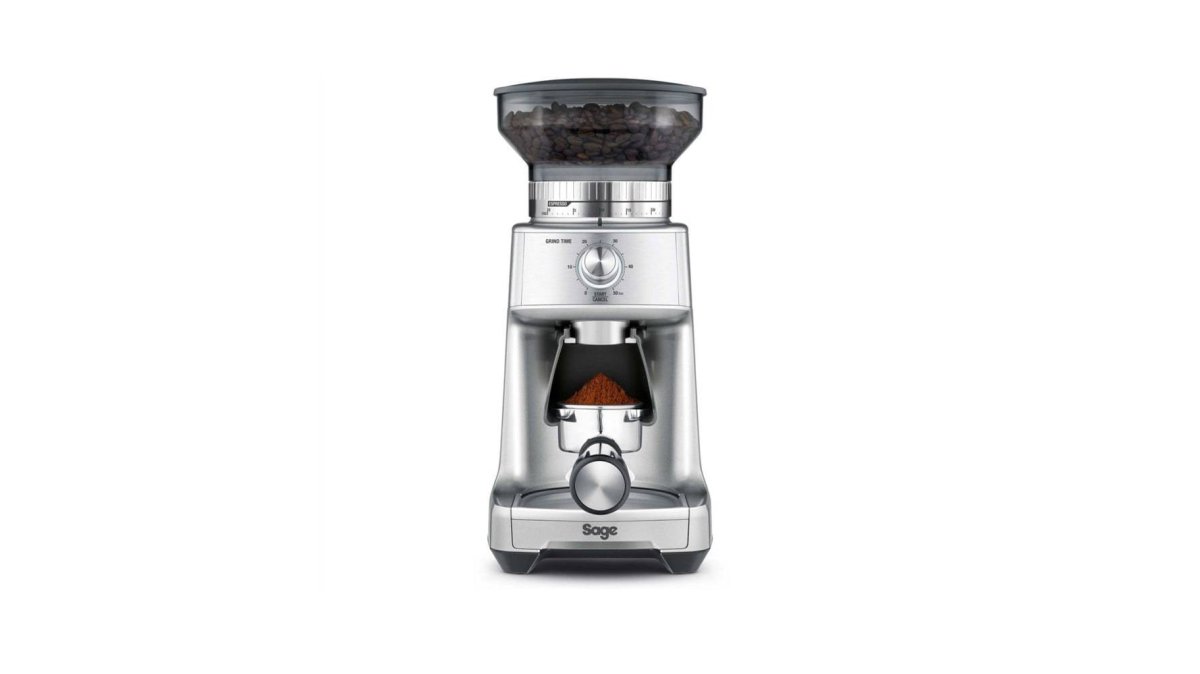
The Baratza Encore ESP and Sage The Dose Control Pro both deliver the grind consistency espresso requires. The Baratza Encore ESP features 40 grind settings and hardened alloy steel burrs manufactured in Liechtenstein, Europe. The Sage The Dose Control Pro Coffee Grinder Silver includes 60 settings and an electronic timer. Both help eliminate the guesswork that causes crema inconsistency.

How to Dial In Espresso at Home for Consistent Results
Dialling in means adjusting your grind size until you hit your target extraction time and then establishing a repeatable workflow that produces identical crema across multiple shots. This is the most important skill for consistent crema.

Step 1: Measure Your Dose Precisely
Weigh your coffee before grinding. Most espresso baskets hold 18-20 grams for a double shot. Use a digital scale accurate to 0.1 grams.
Consistency starts with dose. If you eyeball the amount one day and measure it the next, your extraction time changes and your crema changes with it. Weigh every shot. Record your target dose (e.g., "19.0 g") and aim to hit it within ±0.5 grams every time.
Baratza Encore ESP Coffee Grinder (Black) →
Step 2: Distribute and Tamp Evenly
After grinding into your portafilter, distribute the grounds evenly with a distribution tool or by gently shaking the basket side to side. Level the surface so no mound sits in the middle.
Tamp straight down with firm, even pressure. Your tamp should be perpendicular to the basket and compress the puck uniformly. Aim for 30 pounds of pressure, enough to feel resistance, not so hard you strain your wrist.
Uneven tamping creates channels where water flows fast, leaving dry grounds behind. This breaks crema formation. A level tamp produces even extraction and thick, stable crema.
Step 3: Observe Extraction, Crema Formation, and Record Objective Measurements
Pull your shot and watch the flow. Espresso should start flowing after 7-10 seconds of pre-infusion, then flow steadily for 15-20 seconds more. Total time from button press to finish should be 25-30 seconds.
Look at the crema. Thick crema that holds together is a sign of good extraction. Thin, bubbly crema suggests under-extraction. Crema that breaks apart mid-shot suggests uneven pressure.
Beyond visual assessment, measure crema objectively:
- Depth: Use a ruler or caliper to measure crema height in millimetres at the start of the shot (immediately after pouring stops) and again 30 seconds later. Good crema should be 3-5 mm thick at the start and retain at least 50% of that height after 30 seconds.
- Colour: Compare your crema to a reference, light caramel (good), medium brown (good), dark brown or black (over-extracted), or pale tan (under-extracted). Take a photo of your best shot and use it as a benchmark.
- Texture: Observe whether the crema is fine and velvety (good) or large bubbly (under-extracted) or thin and separated (over-extracted).
- Persistence: Time how long crema remains visible in the cup. Crema that lasts 2-3 minutes is stable; crema that collapses in under 30 seconds is weak.
Record these measurements in a simple table or notebook alongside your grind setting, dose, and extraction time. This creates a repeatable baseline.
Step 4: Adjust Grind Size Based on Results
If your shot flows too fast (under 20 seconds), your grind is too coarse. Make it finer by one or two notches on your grinder.
If your shot flows too slowly (over 35 seconds), your grind is too fine. Make it coarser.
Make one small adjustment at a time. Pull another shot and time it. Repeat until you hit 25-30 seconds. Once you're in that window, your crema should be consistent shot to shot.
| Extraction Time | Grind Adjustment | Expected Crema | Objective Markers |
|---|---|---|---|
| Under 20 seconds | Make finer | Thin, watery | Pale colour, collapses in <30 sec, <2 mm depth |
| 25-30 seconds | Correct | Thick, stable, golden | Medium-brown colour, persists 2-3 min, 3-5 mm depth |
| Over 35 seconds | Make coarser | Burnt, dark, thin | Dark brown or black, separates, thin texture |
Step 5: Establish a Shot-to-Shot Consistency Protocol
Once you dial in your grind, write down the setting number and your target dose. If you switch beans or notice crema changing, start from that number rather than guessing. This saves time and keeps your shots consistent.
Before each shot, follow this sequence:
- Purge your grinder for 5 seconds to clear old grounds.
- Grind your target dose (e.g., 19.0 g) and weigh it.
- Distribute the grounds with a tool and level the surface.
- Tamp with even pressure, perpendicular to the basket.
- Insert the portafilter and pull the shot, timing from button press to finish.
- Measure crema depth and colour immediately after pouring.
- Record the time, dose, grind setting, and crema measurements in your notebook.
After five consecutive shots, compare your measurements. If crema depth, colour, and persistence are within a narrow range (e.g., all between 3-5 mm, all medium brown, all persisting 2-3 minutes), you have achieved consistency. If one shot deviates significantly, review your dose and distribution for that shot, these are the most common sources of shot-to-shot drift.
Equipment and Machine Variables That Affect Crema Consistency
Water Temperature and Pressure Stability
Espresso machines with stable temperature control produce consistent crema. Machines that fluctuate by more than 2°C between shots will show visible crema variation.
Look for machines with PID temperature control or a thermocoil heating system. These maintain water temperature within a tight range. Budget machines with simple thermostats can drift 5-10°C, which destroys consistency.
Pressure stability also matters. Your machine should maintain 9 bars of pressure throughout the extraction. Machines with worn pumps can drop pressure mid-shot, causing uneven extraction and weak crema.
Portafilter and Basket Condition
A worn portafilter or basket lets water escape around the edges instead of flowing through the grounds. This ruins pressure and crema formation.
Check your portafilter basket for dents or scratches. A damaged basket needs replacing. Check that your portafilter seats firmly in the group head with no wiggle.
If your machine is more than five years old and you've pulled thousands of shots, the group head seal may be wearing. If crema suddenly becomes inconsistent across all your shots despite proper technique, a worn seal is likely the cause.
Troubleshooting Crema Problems Shot to Shot
Thin, watery crema every time: Your grind is too coarse or your beans are stale. Make your grind finer by two notches. If that doesn't help, buy fresher beans with a roast date within the last two weeks.
Crema breaks apart mid-shot: Your tamp is uneven or your distribution is poor. Focus on levelling the grounds before tamping. Press straight down with even pressure across the entire basket.
Crema colour is dark brown or black: You're over-extracting. Make your grind coarser by one notch. If you're already at 30 seconds, your beans might be too dark-roasted for your machine.
Crema is thick but disappears in seconds: Your water temperature is too high. If your machine has temperature adjustment, lower it by 1°C. If it doesn't, let the machine cool slightly before pulling your next shot.
Crema is inconsistent between shots but technique feels the same: Check your bean freshness. If beans are older than three weeks, crema will weaken. Also check that your grinder burrs are clean, coffee oils build up and affect grind consistency over time.
Consistent espresso crema comes down to controlling five things: bean freshness, grind consistency, dose precision, even tamping, and machine stability. Master these and you'll pull shots that look identical every time.
The equipment you use determines how much control you actually have. A grinder that produces inconsistent particles or a machine with temperature swings will fight you at every step. That's why we recommend starting with proper gear. The Sage Barista Express Impress Espresso Machine combines an integrated precision grinder, PID temperature control, and an Impress™ Puck System for assisted tamping. This machine is built to deliver rich espresso and smooth milk-based drinks in under a minute, helping you focus on the technique that actually makes the difference. Get started with Coffee Craft Studio and experience café-quality espresso at home, backed by equipment designed for consistency and performance.
Frequently Asked Questions
What causes espresso crema to be inconsistent?
Inconsistent espresso crema stems from variables across the entire brewing chain: bean age and degassing, grind size and consistency, dose precision, uneven tamping, and machine temperature stability. Beans older than three weeks after roasting release less carbon dioxide, producing thinner crema. Coarse or inconsistent grinds lead to uneven water flow and weak extraction. Unstable machine pressure or temperature causes shot-to-shot variation. Addressing one variable at a time helps identify which factor is causing the problem.
Does the freshness of coffee beans affect crema?
Yes, bean freshness directly impacts crema quality and volume. Freshly roasted beans, ideally 5-14 days after roast date, contain the most carbon dioxide, which creates dense, rich crema. Beans older than three weeks produce noticeably thinner crema as carbon dioxide naturally escapes. However, beans roasted fewer than three days prior may still be degassing heavily, which can cause inconsistent extraction and channeling. Check the roast date on your bag and store beans in an airtight container away from heat and light to preserve freshness.
How does grind size affect espresso crema?
Grind size controls water contact time with coffee grounds, which directly determines extraction quality and crema formation. Too coarse a grind allows water to pass through too quickly, under-extracting the coffee and producing weak, thin crema. Too fine a grind causes water to move too slowly, over-extracting and potentially creating bitter, burnt-looking crema or channeling. A consistent, medium-fine grind sized for your specific machine and beans allows proper pressure build-up and even extraction, resulting in thick, stable crema. Use a burr grinder with precise adjustment settings to dial in the correct size.
Can tamping affect crema consistency?
Tamping pressure and evenness are critical to crema consistency. Uneven tamping creates weak spots in the coffee puck where water channels through, bypassing grounds and producing thin, patchy crema. A level, even tamp at approximately 10-15 kilograms of pressure ensures uniform water distribution and extraction. Inconsistent tamping pressure shot to shot leads to variable crema thickness and colour. Many home baristas benefit from machines with assisted tamping systems, like the Sage Barista Express Impress Espresso Machine, which applies consistent pressure and a barista-style twist to ensure even puck preparation.